

Hey there! As a supplier of Vehicle Tilt Lifts, I'm super stoked to share with you how these nifty machines work. Vehicle tilt lifts are pretty awesome pieces of equipment, and they've got a whole bunch of uses in the automotive world.
First off, let's talk about what a vehicle tilt lift actually is. It's a specialized device designed to lift vehicles and tilt them to a certain angle. This can be really handy for a variety of tasks, like vehicle maintenance, inspections, and even some types of repairs.
So, how does it all work? Well, the basic principle behind a vehicle tilt lift is a combination of hydraulic power and mechanical engineering. Most vehicle tilt lifts use hydraulic cylinders to generate the force needed to lift and tilt the vehicle.
Let's start with the lifting part. When you activate the lift, the hydraulic pump starts pumping hydraulic fluid into the cylinders. This fluid creates pressure inside the cylinders, which in turn causes the piston inside the cylinder to move. As the piston moves, it pushes against a mechanical structure, usually a set of arms or a platform, that is connected to the vehicle. This causes the vehicle to be lifted off the ground.
The amount of weight a vehicle tilt lift can handle depends on the size and capacity of the hydraulic cylinders and the overall design of the lift. Some smaller lifts might be able to handle a few thousand pounds, while larger, industrial - grade lifts can handle much heavier vehicles, like trucks and buses.
Now, let's get to the tilting part. Once the vehicle is lifted to a certain height, the tilt mechanism comes into play. There are different ways to achieve tilting, but one common method is to use additional hydraulic cylinders or a mechanical linkage system.
In a hydraulic - based tilt system, there are usually one or more smaller hydraulic cylinders that are specifically designed to create the tilting motion. When these cylinders are activated, they push or pull on the platform or the support structure of the lift in a way that causes it to tilt. For example, if the cylinders are placed at an angle near the base of the lift, when they extend, they can cause one end of the platform to rise higher than the other, resulting in a tilt.
Mechanical linkage systems work a little differently. They use a series of interconnected rods, gears, and joints to transfer the force from the main lifting mechanism to create the tilting motion. These systems are often more complex but can be very precise in controlling the angle of tilt.
The angle of tilt can vary depending on the make and model of the lift and the specific requirements of the task at hand. Some lifts can only tilt a few degrees, while others can tilt up to 45 degrees or more. This tilt function is incredibly useful. For instance, when doing an under - vehicle inspection, tilting the vehicle can give mechanics better access to hard - to - reach areas like the exhaust system, fuel lines, and suspension components.
Another cool thing about vehicle tilt lifts is that they often come with safety features. Most lifts have locking mechanisms to keep the vehicle in place once it's lifted and tilted. These locks prevent the vehicle from accidentally falling or moving during maintenance or inspection. There are also usually pressure relief valves in the hydraulic system to prevent over - pressurization, which could cause damage to the lift or be dangerous for the operators.
Now, I want to mention some of the different types of vehicle tilt lifts that are available. One popular type is the Waste Car Double - post Lift Machine. This type of lift is great for handling waste cars or smaller vehicles. It uses a double - post design to provide stable support and can be adjusted to different heights and tilt angles.

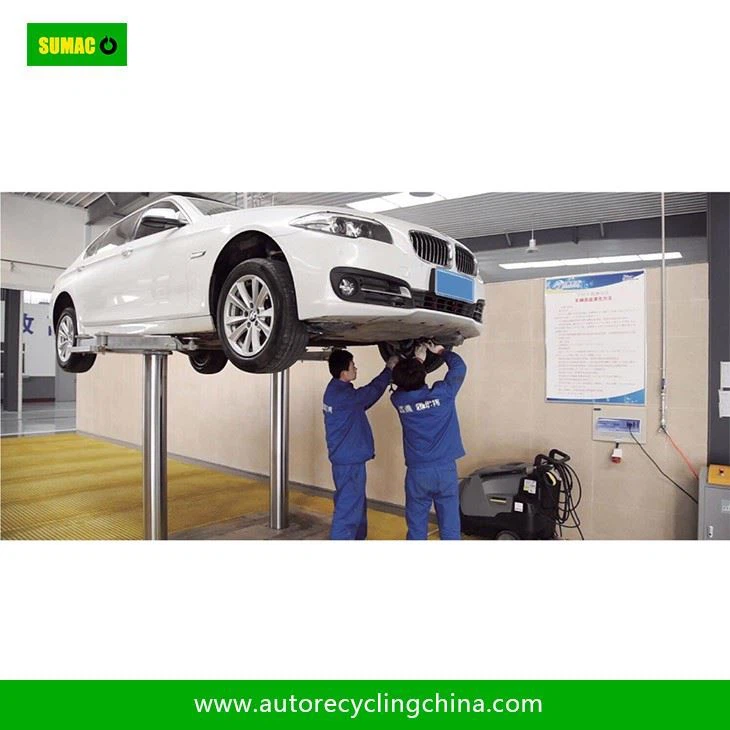
Then there's the In - ground Elevator For Waste Cars. This is a more specialized lift that is installed underground. It's ideal for situations where you need to save space and still have the ability to lift and tilt waste cars.
And of course, we have the Car Tiltable Lift. As the name suggests, this lift is specifically designed for cars. It offers a high level of precision in lifting and tilting, making it perfect for detailed car maintenance and repair work.
So, if you're in the business of vehicle maintenance, repair, or dealing with waste cars, a vehicle tilt lift can be a game - changer. It not only makes your work easier but also more efficient and safer.
If you're interested in learning more about our vehicle tilt lifts or are thinking about making a purchase, we'd love to have a chat with you. Whether you have questions about the features, the installation process, or the pricing, we're here to help. Just reach out to us, and we'll be more than happy to start a conversation about how our vehicle tilt lifts can meet your needs.
References
- Automotive Hydraulics Handbook
- Mechanical Engineering Principles for Vehicle Lifts