

As a seasoned supplier of Tire Shredder Plants, I've witnessed firsthand the challenges that operators face, especially when it comes to preventing jams. Jams in a tire shredder plant can disrupt production, increase maintenance costs, and even pose safety risks. In this blog post, I'll share some practical tips and strategies on how to prevent jams in a tire shredder plant, drawing on my years of experience in the industry.
Understanding the Causes of Jams
Before we delve into prevention strategies, it's important to understand the common causes of jams in a tire shredder plant. Here are some of the main culprits:
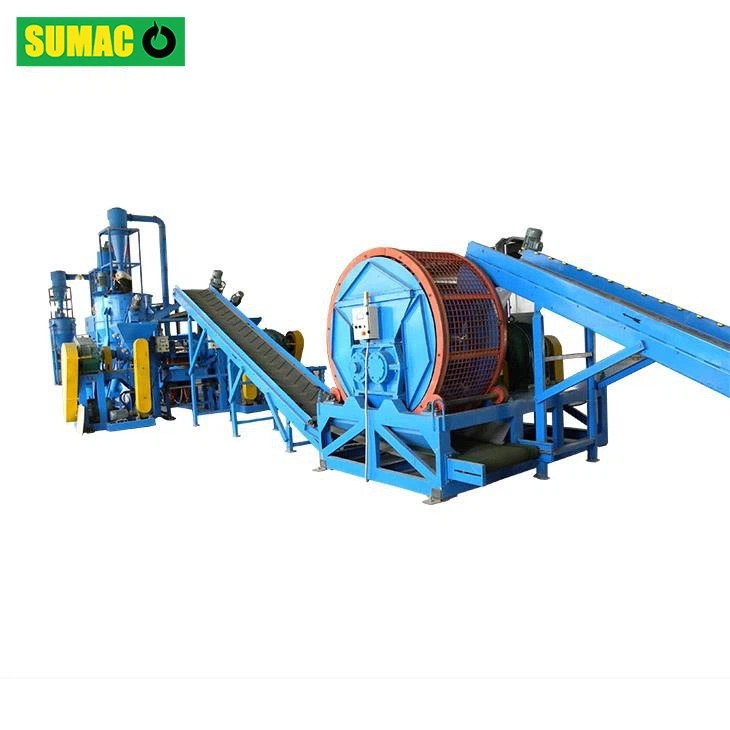
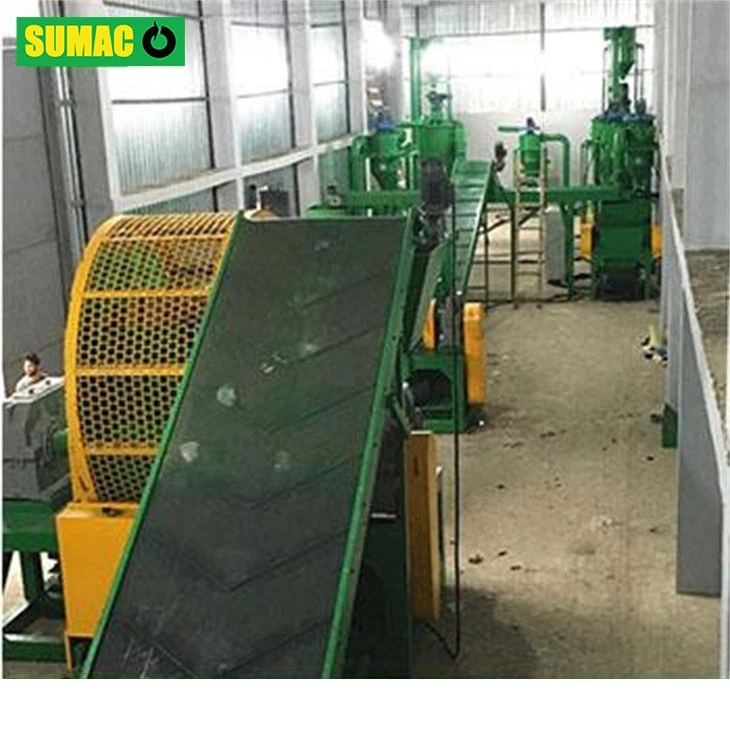
- Incorrect Tire Loading: Overloading the shredder with too many tires at once or feeding tires that are too large can cause jams. It's essential to follow the manufacturer's guidelines for tire size and loading capacity.
- Foreign Objects: Tires may contain foreign objects such as metal, stones, or debris, which can get caught in the shredder blades and cause jams. Inspecting tires before feeding them into the shredder can help prevent this issue.
- Worn or Damaged Blades: Dull or damaged blades can't cut through tires effectively, leading to jams. Regular blade maintenance and replacement are crucial to keep the shredder running smoothly.
- Lack of Lubrication: Insufficient lubrication can cause the shredder's moving parts to overheat and seize up, resulting in jams. Proper lubrication of bearings, gears, and other components is essential for optimal performance.
- Electrical or Mechanical Malfunctions: Issues with the shredder's electrical system or mechanical components can also cause jams. Regular inspections and maintenance can help identify and address these problems before they lead to serious issues.
Prevention Strategies
Now that we understand the causes of jams, let's explore some strategies to prevent them:
1. Proper Tire Preparation
- Inspect Tires: Before feeding tires into the shredder, inspect them carefully for foreign objects. Remove any metal, stones, or debris that could cause jams.
- Sort Tires by Size: Sort tires by size to ensure that they are fed into the shredder in a consistent manner. Avoid feeding large and small tires together, as this can lead to uneven cutting and jams.
- Cut Tires into Smaller Pieces: If possible, cut tires into smaller pieces before feeding them into the shredder. This can reduce the workload on the shredder and prevent jams.
2. Follow Manufacturer's Guidelines
- Loading Capacity: Adhere to the manufacturer's recommended loading capacity for the shredder. Overloading the shredder can cause jams and damage the equipment.
- Tire Size: Only feed tires that are within the recommended size range for the shredder. Feeding oversized tires can cause the blades to become stuck and lead to jams.
- Operating Speed: Operate the shredder at the recommended speed. Running the shredder too fast or too slow can affect its performance and increase the risk of jams.
3. Regular Blade Maintenance
- Sharpen Blades: Regularly sharpen the shredder blades to ensure that they can cut through tires effectively. Dull blades can cause jams and increase wear and tear on the equipment.
- Replace Worn Blades: Replace worn or damaged blades promptly. Using worn blades can lead to uneven cutting and jams, as well as reduce the efficiency of the shredder.
- Inspect Blade Alignment: Check the alignment of the blades regularly to ensure that they are cutting evenly. Misaligned blades can cause jams and damage the shredder.
4. Lubrication and Maintenance
- Lubricate Moving Parts: Properly lubricate the shredder's moving parts, such as bearings, gears, and chains, to reduce friction and prevent overheating. Follow the manufacturer's recommendations for lubrication intervals and types of lubricants.
- Clean the Shredder: Regularly clean the shredder to remove any tire debris or dust that may accumulate. A clean shredder operates more efficiently and is less likely to experience jams.
- Perform Regular Inspections: Conduct regular inspections of the shredder's electrical system, mechanical components, and safety features. Identify and address any issues before they lead to jams or other problems.
5. Operator Training
- Proper Training: Ensure that operators are properly trained on how to operate the shredder safely and effectively. Training should cover topics such as tire preparation, loading procedures, blade maintenance, and troubleshooting.
- Safety Procedures: Train operators on the importance of following safety procedures, such as wearing appropriate personal protective equipment (PPE) and using lockout/tagout procedures when performing maintenance.
- Emergency Response: Provide operators with training on how to respond to emergencies, such as jams or equipment malfunctions. Having a clear emergency response plan in place can help minimize downtime and prevent injuries.
The Role of Quality Equipment
Investing in high-quality tire shredder equipment is essential for preventing jams and ensuring reliable operation. At [Our Company], we offer a range of Waste Tire Rubber Recycling Machine that are designed to meet the needs of different applications. Our Tire Rubber Recycling Machine are built with durable components and advanced technology to provide efficient and reliable performance. Additionally, our Car Tires Recycling Plant For Making Crumb Rubber are designed to produce high-quality crumb rubber with minimal downtime.
Conclusion
Preventing jams in a tire shredder plant requires a combination of proper tire preparation, following manufacturer's guidelines, regular maintenance, operator training, and investing in quality equipment. By implementing these strategies, operators can reduce the risk of jams, improve the efficiency of their shredding operations, and extend the lifespan of their equipment.
If you're interested in learning more about our tire shredder plants or have any questions about preventing jams, please don't hesitate to contact us. We're here to help you find the right solution for your tire recycling needs.
References
- Manufacturer's manuals for tire shredder equipment
- Industry best practices for tire recycling and shredding
- Technical articles and research papers on tire shredding technology