


Automatic Drainage System
Why Choose Us
Professional Team
We strive to meet your recycling needs by offering a full line of products. Our commitment to each customer is friendly and knowledgeable service. Our team understands your needs through years of experience in the recycling industry.
Best After Service
Provide professional installation and training. Detailed operation manual and video for customer installation.
Customer-Centric
Our customer-centric approach to customization goes beyond the technical aspects of the equipment. We also provide comprehensive training and support to ensure that your team can operate the equipment effectively and safely. Our commitment to customer satisfaction extends from the initial consultation to installation and ongoing service.
Rich Experience
ELV Recycling Equipment has a team of experienced professionals who have a deep understanding of the automotive recycling industry and can provide expert advice and guidance.


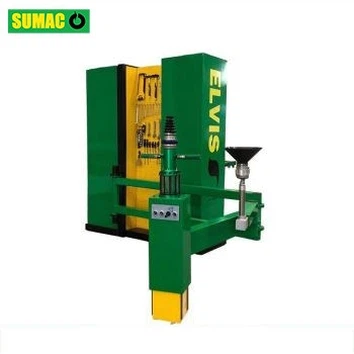

What Is Automatic Drainage System
Automatic Drainage System Cleaning overcomes all sorts of drainage problems and promotes blockage free drains promoting continuous flow of drain water. In the modern era there have been adequate sewage problems where sewage water needs to be segregated to clean our surrounding environment. The waste and gases produced from the industries are very harmful to human beings and to the environment. Our proposed system is used to clean and control the drainage level using auto mechanism technique.
The main reason for developing automatic drainage cleaning systems is to reduce the labor involved and clearing without any delay in a real time implementation. In this project, an automatic drainage cleaningsystem is designed to collect all solid wastes and helps in reducing chokes.
Application of Automatic Drainage System
Timer-based valves: Timer-based automatic drain valves discharge condensate by opening at regular intervals set by an adjustable timer. They can be adjusted to allow the desired draining frequency. However, these valves are not ideal for applications with variable condensate accumulation as the drain intervals are fixed, regardless of actual condensate levels.
Float-based valves: Level-sensing automatic drain valves open when the liquid level reaches a certain threshold and close when it drops below that level. They offer more responsive and accurate drainage as they react to actual condensate levels. Level-sensing valves are well-suited for applications with varying condensate generation. However, they are more complex and expensive than timer-based valves. Also, they require proper calibration to ensure accurate level detection and additional maintenance due to float mechanisms.
Electronic-controlled drain valves: Electronic-controlled automatic drain valves use sensors to detect condensate levels and control the opening and closing of the valve electronically. They can be programmed for specific drainage cycles or conditions and provide precise and customized control based on real-time condensate levels. Electronic-controlled valves are suitable for applications with varying condensate accumulation. However, they are more expensive than timer-based or level-sensing valves. Also, they require an electrical power supply and potential integration with control systems.
Pneumatic piston and valve opening: The outlet design for letting the condensate out varies depending on the automatic drain valve model. For example, in a float-based automatic drain valve, as the condensate rises in the reservoir, the float is pushed upwards, allowing air to reach the top of the piston and causing the piston to move downwards.
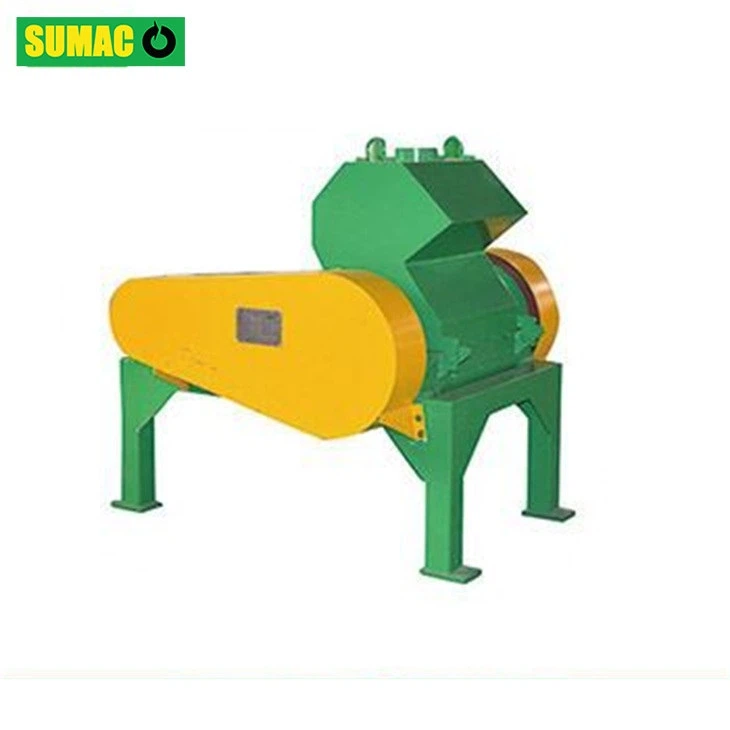
Benefits of Automatic Drainage System

Cost of production is low
No need to purchase heavy machinery
Reduces threat to human life
Manual assistance is not required
installation of Automatic Drainage System
Choose the right drain valve: Determine the appropriate automatic drain valve for the air compressor drain valve based on operating pressure, temperature, and voltage. Also, fix the type of drain valve depending on the application.
Shut off the compressor: Before installing the valve, turn off the air compressor and disconnect it from the power source to ensure safety.
Release air pressure: Open the existing manual drain valve or any other release valve to release residual air pressure from the compressor and air tank.
Use thread sealant: Apply a suitable thread sealant, such as Teflon tape or pipe dope, on the threads of the automatic drain valve to prevent air leaks. Also, if a manual drain valve is already in place, remove it using a wrench and prepare the connection point for the automatic drain valve installation.
Install the valve: Thread the automatic drain valve into the connection point, and tighten it using a wrench. Ensure it is securely in place but avoid over-tightening, which may damage the threads.
Connect power supply: If the automatic drain valve requires an external power supply, connect it to the appropriate voltage source per the manufacturer's instructions. For a timer-controlled valve, set the desired open and close intervals.
Test the installation: Reconnect the power supply to the air compressor and turn it on. Allow the system to build pressure and observe the automatic drain valve functioning during its drainage cycle. Check for any leaks or issues during operation.
Our Factory

Sumac was established in 2011, specialized in tire rubber recycling and metal recycling industries. In 2015, SUMAC cooperated with ARS (Australia) to design and manufacture ELV recycling and dismantling equipments. We are committed to solving global recycling problem of end-of –life vehicles and will become the world leader in ELV recycling industries.

Q: How do I select the right type of automatic drain valve for my air compressor?
Q: What are the benefits of using an automatic drain valve for my air compressor?
Q: What are the 3 types of drainage systems?
Subsurface Drainage System. Subsurface drainage systems are implemented beneath the top layer of soil. ...
Slope Drainage System. ...
Downspouts and Gutter Systems.
Q: What are the different types of auto drain valves?
Q: What is an automatic drain?
Q: What is the difference between manual drain and auto drain?
Q: What are the 4 most common drainage patterns?
Q: What is butterfly valve for drainage system?
Q: How does a smart drain work?
Q: What is the most common drainage system?
Q: What is the most common type of drainage system?
Q: Do all air compressors need draining?
Q: Should you leave air compressor drain open?
Q: What happens if you don't drain air compressor?
Q: What is Foreign Trade-Express?
Q: How does a Bendix automatic drain valve work?
Q: What is a Stryker drain?
Q: How does a Penrose drain work?
Q: How do you unclog a drain without an auger?
Q: What is the best type of drainage system?
Q: What is herringbone drainage system?
The Herringbone system is the design for the main central pipe. The pipe runs down a slope and, at acute angles, with numerous lateral pipes connecting to it. This type of design is popular with large general amenity playing fields and big rectangular lawns. It is also suitable for areas that are irregular in shape.
SUMAC Auto Recycling Equipment Co.,Ltd is one of the leading automatic drainage system manufacturers and suppliers in China. We warmly welcome you to wholesale quality automatic drainage system made in China here from our factory. For price consultation, contact us.
ELV Drainage Equipment, ELV Recycler Fluid Drainage System, Waste Car Wrecking Equipment