


Double Wall Bunded Carbon Steel Cube Fuel Tank
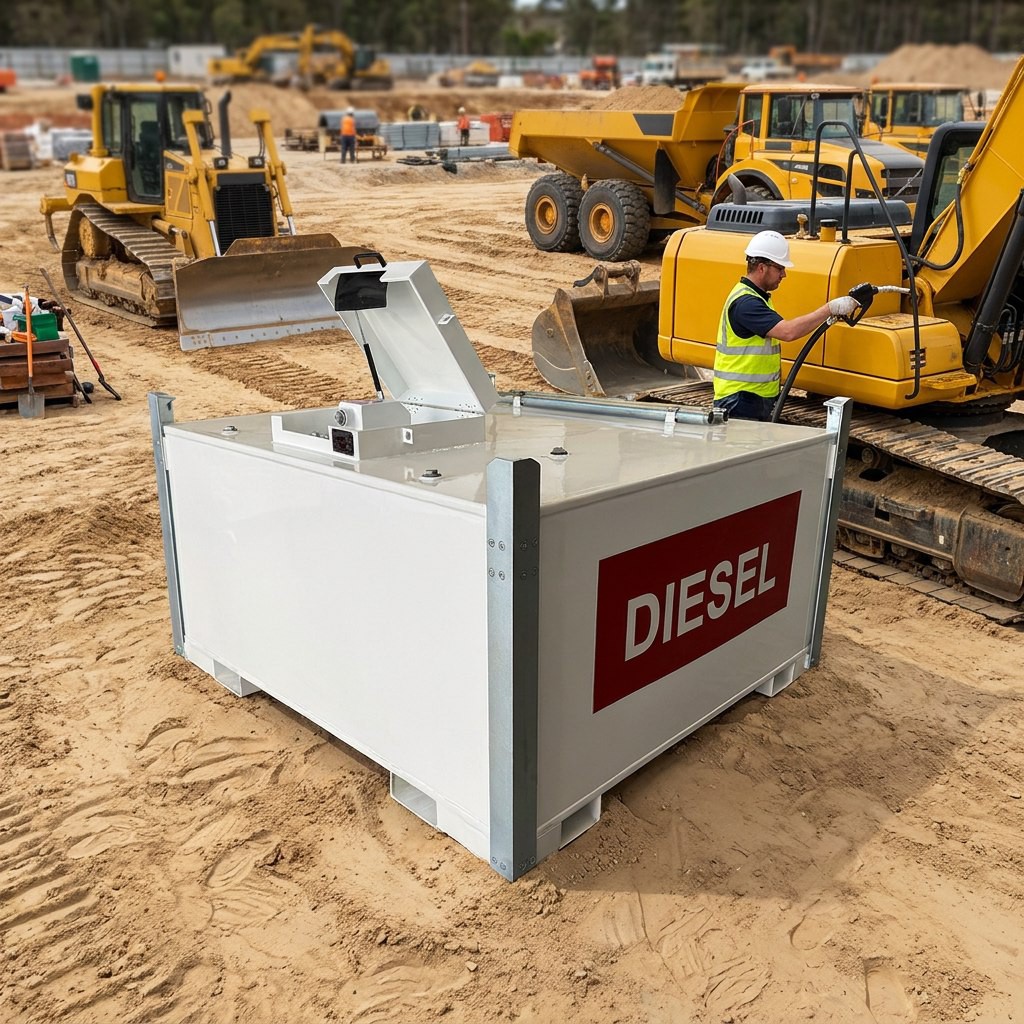
1000L 2500L Carbon Steel Cube Type Diesel Gasoline Transfer Tank
1. Solid Foundation
The Load-Bearing Capacity of a Self-Bundled Tank** The load-bearing capacity of a self-bundled tank primarily relies on a stable foundation. The foundation must be specifically designed based on the overall weight of the tank, the density of the stored medium, and the site's geological conditions to ensure even distribution of the tank load and prevent excessive localized stress that could lead to settlement and deformation. Common foundation types must be adapted to the tank structure, strengthening the foundation's load-bearing capacity to withstand the pressure of the tank under both empty and full loads, providing core protection for the overall load-bearing capacity.
2. Material Properties
The Core Load-Bearing Strength** The tank material is a key factor affecting load-bearing capacity. High-strength steel is typically used, as it possesses excellent compressive and deformation resistance, capable of withstanding the weight of the stored medium and the tank's own structural weight. The thickness of the material and the processing technology also affect load-bearing performance. Precise welding techniques and thickness matching ensure the tank maintains structural stability under long-term load conditions, preventing damage or deformation.
3. Professional Design Standards and Maximum Load Capacity
The load-bearing capacity of the Self Bunded Tank strictly adheres to industry design standards. The design process comprehensively considers various stress conditions, including static pressure of the medium, tank weight, wind load, and seismic load. Structural mechanics calculations optimize the tank's shape and wall thickness distribution, clearly defining the maximum load capacity to ensure safe operation within the rated load range. A certain safety margin is also included in the design to cope with sudden changes in stress, improving load-bearing reliability.
4. Environmental Impact on Load-Bearing Stability
The operating environment directly affects the stability of the load-bearing capacity. Factors such as site flatness, geological bearing capacity, and temperature changes all affect the tank's load-bearing performance. A flat and firm site reduces the risk of foundation settlement and ensures uniform load distribution; extreme temperatures may affect material properties, indirectly reducing load-bearing stability. In daily use, storage activities exceeding the rated load should be avoided, and the foundation and tank structure should be inspected regularly to maintain stable load-bearing capacity.