


diesel tank storage
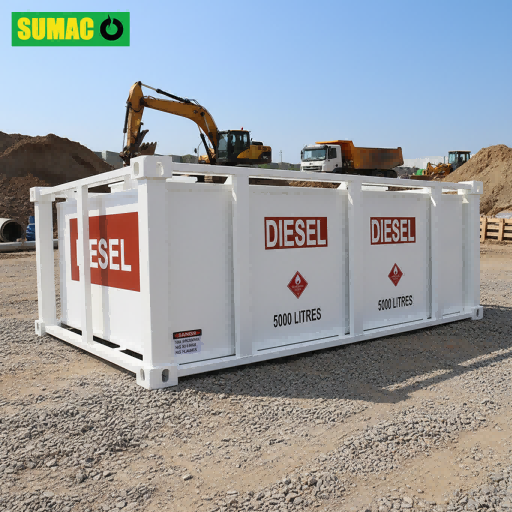
portable fuel tank
1. Site Adaptation
Before installation, proper site planning and adaptation are essential. Clear any obstacles from the site, ensuring it is flat and free of debris. Test the site's load-bearing capacity to prevent settlement issues during subsequent use. Simultaneously, based on the tank specifications, reserve sufficient operating and maintenance space, avoid underground pipelines or other facilities, and ensure good drainage to prevent water accumulation from affecting the tank foundation's stability.
2. Foundation Positioning and Deployment
Construct a suitable installation foundation, selecting the appropriate foundation type based on site conditions, ensuring a smooth and flat foundation surface. Use specialized equipment to smoothly lift the tank to the foundation position, precisely adjusting its level and verticality to prevent displacement. Subsequently, secure the tank bottom to enhance post-installation stability and meet the needs of different environments.
3. Tank Installation and Commissioning
After foundation fixation, install tank accessories, including valves, instruments, and monitoring equipment, ensuring all components are tightly connected. Pay special attention to checking the sealing performance of the double-layer tank walls, using professional methods to eliminate potential leaks. Following this, a system trial run was conducted to test the operational status of each device, adjust relevant parameters to a reasonable range, and ensure normal operation after installation.
4. Post-Installation Acceptance and Maintenance
During the final installation phase, acceptance work was carried out, comprehensively checking the installation quality and equipment operation, and reviewing relevant records from the installation process. Installation personnel received operational training, clarifying key points for daily maintenance. Regular tank inspections were subsequently conducted, including checks on sealing performance and basic condition, promptly addressing potential problems and extending the equipment's service life.