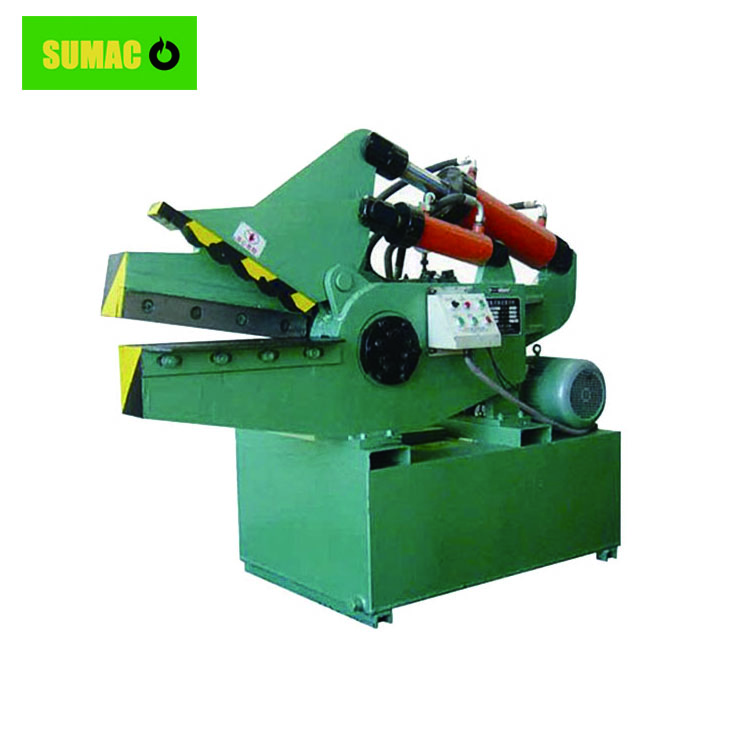
Hydraulic metal shears are powerful tools designed for cutting and shaping metal sheets, bars, and other metal materials with high precision and efficiency. These machines use hydraulic power to drive a set of blades through the material, providing clean and accurate cuts. Here's an overview of key features, types, considerations, and common applications for hydraulic metal shears:
Key Features:
- Hydraulic System: Utilizes hydraulic fluid and pistons to generate significant force for cutting metal.
- Blade Design: High-quality, hardened steel blades ensure clean cuts and long-lasting performance.
- Cutting Capacity: Varies based on the shear model, typically specified in terms of maximum thickness and type of metal that can be cut.
- Control System: May include manual controls, foot pedals, or CNC (Computer Numerical Control) for automated and precise operations.
- Safety Features: Often equipped with safety guards, emergency stop buttons, and two-hand operation systems to prevent accidents.
Types of Hydraulic Metal Shears:
- Guillotine Shears: Feature a vertically moving upper blade that cuts against a stationary lower blade. Ideal for straight cuts with high precision.
- Alligator Shears: Have a hinged jaw mechanism, suitable for cutting scrap metal, bars, and pipes.
- Swing Beam Shears: The upper blade moves in an arc, reducing the force required for cutting. Commonly used for medium-duty cutting tasks.
- CNC Shears: Equipped with computerized controls for automated and highly precise cutting operations, often used in industrial settings.
Considerations:
- Material Type and Thickness: Ensure the shear can handle the specific materials and thicknesses you need to cut.
- Workload and Frequency: Choose a shear that matches your production requirements and frequency of use.
- Blade Maintenance: Regularly inspect and maintain blades to ensure optimal performance and longevity.
- Safety Compliance: Verify that the machine meets all relevant safety standards and regulations.
Common Applications:
- Metal Fabrication: Cutting metal sheets and plates for various fabrication projects.
- Scrap Processing: Reducing metal scrap into manageable pieces for recycling.
- Construction: Cutting reinforcement bars, metal panels, and other building materials.
- Automotive and Aerospace: Precision cutting of metal parts and components.
https://www.sumacycling.com/