


SUMAC Auto Recycling Equipment Co.,Ltd is one of the most professional manufacturers and suppliers of car tire rubber powder grinding mill machine in China. Please feel free to buy high quality car tire rubber powder grinding mill machine at competitive price from our factory.
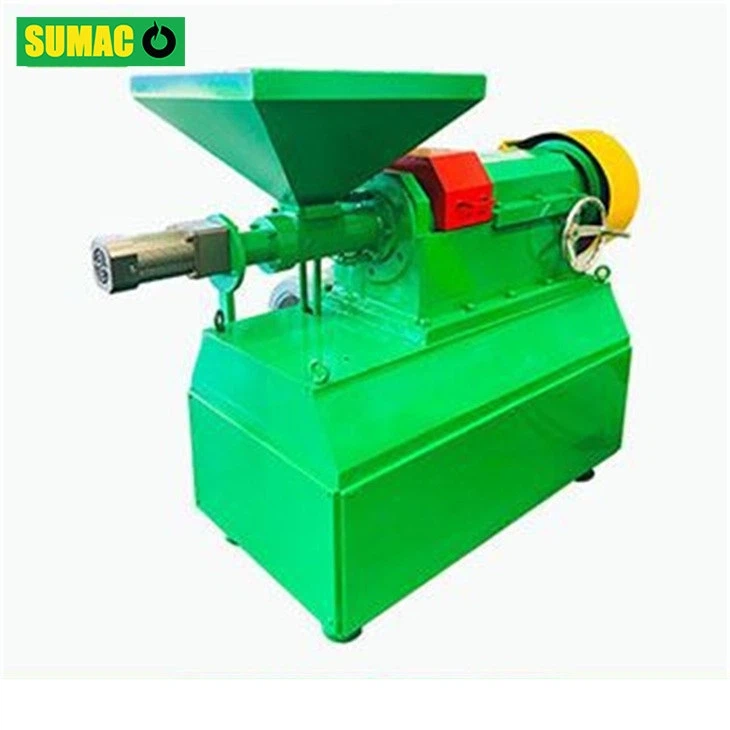
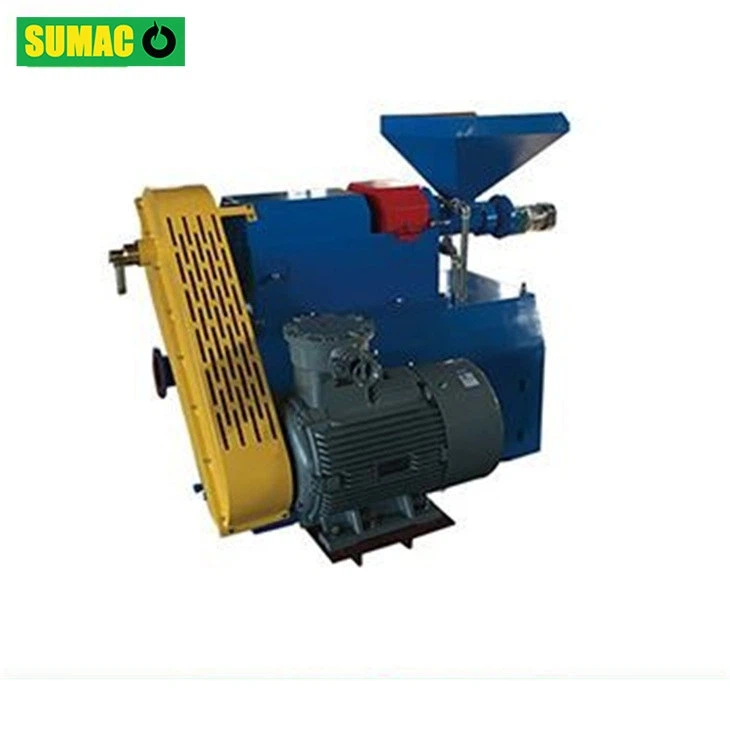
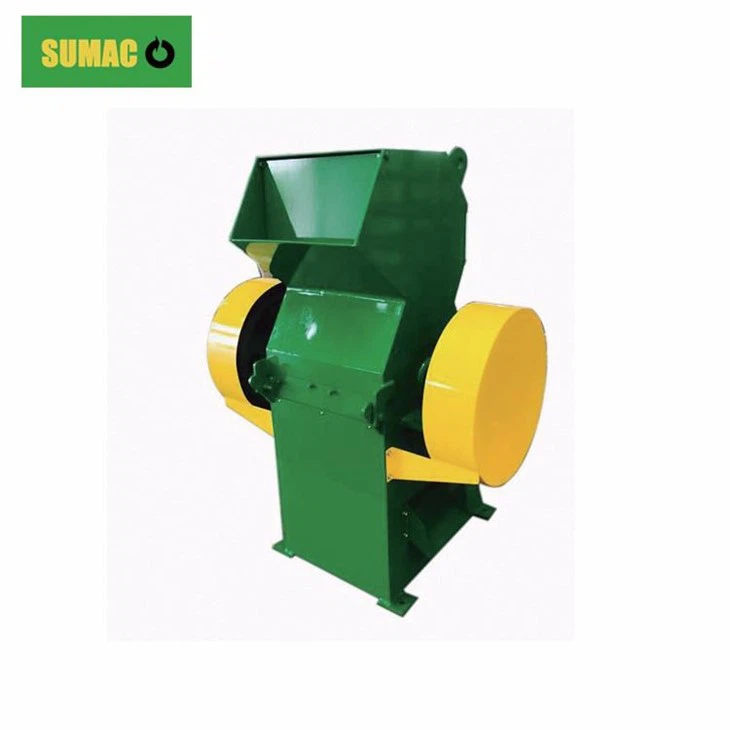
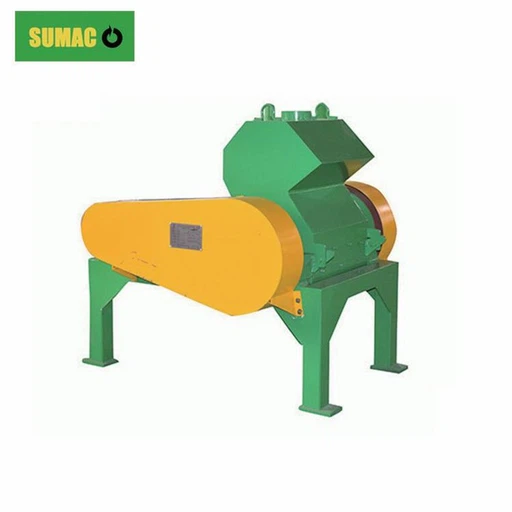
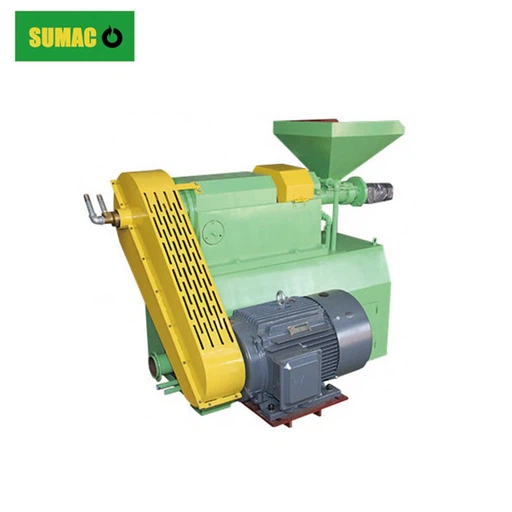
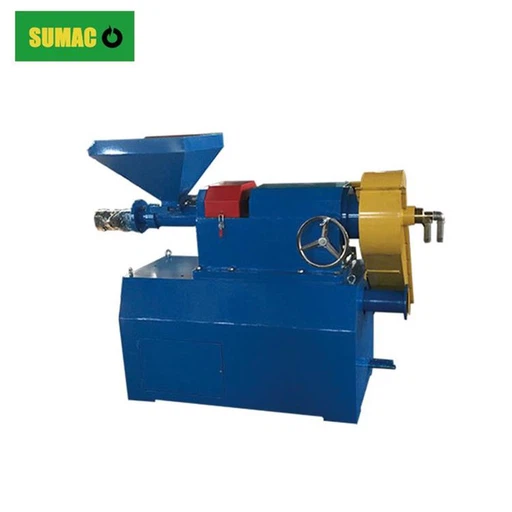
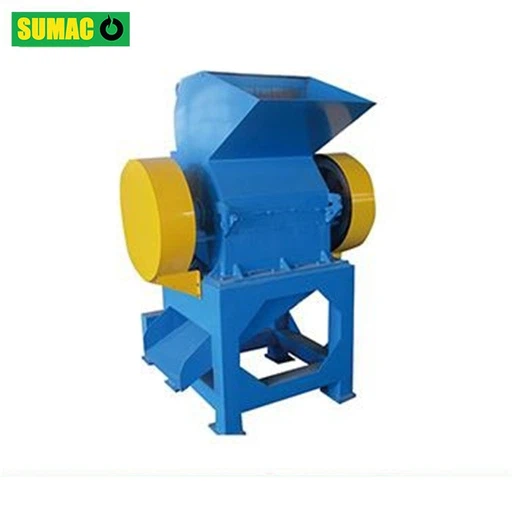
The car tire rubber powder grinding mill machine is a specialized equipment designed for the recycling and processing of car tire rubber into fine powder. This machine employs advanced grinding technology to break down used car tires into smaller particles, ultimately producing rubber powder that can be utilized in various applications. The process involves shredding and grinding the rubber material, resulting in a finely powdered product that can be used in industries such as construction, manufacturing, and the creation of new rubber-based products. This innovative machine contributes to sustainable practices by effectively repurposing discarded car tires and reducing environmental impact through recycling.
Resource Conservation
This machine contributes to resource conservation by efficiently transforming used car tires into fine rubber powder. By recycling these tires, the grinding mill machine helps reduce the demand for new raw materials, conserving natural resources and promoting a more sustainable and environmentally friendly approach to rubber processing.
Environmental Impact Reduction
The utilization of this grinding mill machine plays a crucial role in reducing the environmental impact associated with the disposal of used car tires. Rather than allowing tires to accumulate in landfills or being incinerated, the recycling process minimizes waste and lowers the carbon footprint, contributing to a cleaner and healthier environment.
Versatile Application
The finely powdered rubber produced by this machine has diverse applications across various industries. It can be employed in the manufacturing of new rubber products, such as asphalt additives, sports surfaces, and rubberized coatings. The versatility of the resulting rubber powder enhances its value and promotes a circular economy by reintroducing recycled materials into different production processes.
Cost-efficiency And Economic Benefits
Implementing the car tire rubber powder grinding mill machine in recycling operations can lead to cost savings and economic benefits. By repurposing used tires into a valuable resource, businesses can reduce disposal costs associated with waste management.


Why Choose Us?
High Quality
Our products are manufactured or executed to very high standards, using the finest materials and manufacturing processes.
24h Online Service
We try and respond to all concerns within 24 hours and our teams are always at your disposal in case of any emergencies.
Rich Experience
Dedicated to strict quality control and attentive customer service, our experienced staff is always available to discuss your requirements and ensure complete customer satisfaction.
Quality Control
We have professional personnel to monitor the production process, inspect the products and ensure that the final product meets the required quality level standards, guidelines and specifications.
Material Selection And Fabrication
High-quality materials are selected for constructing the machine components. The main body, grinding chambers, blades or hammers, and other critical parts are fabricated using materials that ensure durability and resistance to wear and tear.
Assembly Of Components
The individual components are assembled to create the structure of the grinding mill machine. This includes mounting the grinding chamber, installing the motor, adding the feeding and discharge systems, and incorporating safety features like guards and emergency stop mechanisms.
Installation Of Grinding Mechanism
The specific grinding mechanism, depending on the type of mill, is installed. This could be hammers, blades, pins, or other grinding elements. The configuration is designed to efficiently break down car tire rubber into fine powder while minimizing heat generation and maintaining the material's properties.
Integration Of Cooling Systems
In the case of cryogenic or air-cooled grinding mills, the necessary cooling systems are integrated into the machine. This ensures that the grinding process does not generate excessive heat that could degrade the rubber material.
Quality Control And Testing
Rigorous quality control measures are implemented to ensure the machine meets design specifications and safety standards. This includes testing individual components, checking alignment, and conducting trial runs to verify the overall functionality of the grinding mill machine.
Surface Treatment And Finishing
The surfaces of the machine may undergo treatments such as painting or coating to enhance corrosion resistance and improve overall aesthetics. Labels and markings indicating specifications, safety instructions, and usage guidelines are also added.
Packaging And Shipment
Once the car tire rubber powder grinding mill machine passes quality control and testing, it is packaged securely for shipment. This involves protecting sensitive components and ensuring that all necessary documentation, such as user manuals and maintenance instructions, is included.
How to Choose Car Tire Rubber Powder Grinding Mill Machine
Type Of Grinding Mill
Different types of grinding mills are available, including cryogenic mills, impact mills, turbo mills, vibrating mills, ball mills, and two-roll mills. Consider the specific requirements of your rubber recycling process and choose a mill type that best suits your needs in terms of particle size distribution, production capacity, and material characteristics.
Output Capacity
Evaluate the desired production capacity of the grinding mill machine. Different machines come with varying throughput capabilities. Ensure that the selected machine can handle the volume of car tire rubber you intend to process within your required timeframe.


Particle Size Control
Consider the required particle size distribution of the rubber powder. Different mills have different capabilities in controlling the fineness of the output. Choose a machine that provides the desired particle size range for your intended applications.
Material Handling And Feeding
Assess the material handling and feeding mechanisms of the grinding mill. The efficiency of the machine can be influenced by the design of the feeding system. Ensure that the machine can handle the size and form of the car tire rubber efficiently.
Cooling Systems
If heat generation during the grinding process is a concern, consider mills with integrated cooling systems. Cryogenic mills or those with air-cooling mechanisms help prevent thermal degradation of the rubber material.
Energy Efficiency
Evaluate the energy consumption of the grinding mill machine. Opt for machines that are energy-efficient to reduce operational costs and environmental impact. Energy-efficient motors and design features can contribute to overall sustainability.
Durability And Wear Resistance
Consider the durability and wear resistance of the machine components. The grinding process can be abrasive, so choose a machine with high-quality materials, wear-resistant parts, and a robust construction to ensure a longer operational lifespan.


Ease Of Maintenance
Assess the ease of maintenance and accessibility for routine cleaning, inspections, and replacement of wearing parts. A machine with easy maintenance features can contribute to its overall reliability and reduce downtime.
Safety Features
Prioritize safety features such as emergency stop buttons, safety guards, and proper labeling. Ensuring the safety of operators during the operation and maintenance of the machine is essential for compliance with regulations and preventing accidents.
How to Use Car Tire Rubber Powder Grinding Mill Machine
Inspect The Machine
Before operation, inspect the grinding mill machine for any signs of damage or wear. Check that all components are securely fastened, and there are no loose or missing parts. Ensure that safety features, such as emergency stop buttons and guards, are in place and functional.
Prepare The Raw Material
Ensure that the car tire rubber being processed is clean and free of contaminants. Remove any metal or foreign objects that could damage the machine during grinding.
Adjust Settings
Depending on the desired output size and production requirements, adjust the machine settings such as grinding speed, feed rate, and other relevant parameters. Follow the guidelines provided in the user manual for the specific type of rubber being processed.
Start The Machine
Power on the grinding mill machine following the manufacturer's recommended startup procedures. This may involve activating the main power switch, starting the motor, and setting any necessary controls. Some machines may have a gradual startup sequence to prevent sudden load on the motor.
Feed The Raw Material
Introduce the car tire rubber into the grinding chamber through the feeding system. Follow the recommended feed rate and avoid overloading the machine to ensure optimal performance and prevent damage.
Monitor The Operation
While the machine is in operation, closely monitor its performance. Keep an eye on temperature levels, vibrations, and any unusual sounds. Adjust settings as needed to maintain a consistent and efficient grinding process.
Collect The Output
Position the discharge system to collect the finely powdered rubber output. Some machines may have a collection bag or conveyor system to gather the processed material.
Shutdown Procedure
When finished with the grinding process, follow the manufacturer's recommended shutdown procedure. This typically involves stopping the feed, allowing the machine to finish processing any remaining material, and then turning off the power.
Clean And Maintain
After each use, clean the machine thoroughly to remove any residual rubber and debris. Regular maintenance, as outlined in the user manual, should be performed to ensure the longevity and reliability of the grinding mill machine.
Application of Car Tire Rubber Powder Grinding Mill Machine
Asphalt Modification
Car tire rubber powder can be added to asphalt to enhance its properties. The rubberized asphalt exhibits improved elasticity, durability, and resistance to cracking. This application is particularly useful in road construction and maintenance.
Sports Surfaces
Rubber powder from car tires is often used in the construction of sports surfaces, such as playgrounds, athletic tracks, and sports fields. The rubberized surfaces provide impact absorption, reducing the risk of injuries during sports activities.
Rubber Products Manufacturing
The fine rubber powder can be used as a raw material in the production of various rubber products. This includes manufacturing items such as mats, hoses, belts, and other rubber-based goods.
Construction Materials
Rubber powder can be incorporated into construction materials, such as concrete and coatings. This enhances the flexibility and resilience of these materials, making them more suitable for specific applications.
Noise Reduction Applications
Rubber powder is known for its sound-absorbing properties. It can be used in the production of noise barriers, acoustic panels, and other soundproofing materials for applications like highways, buildings, and industrial facilities.
Rubberized Coatings
The rubber powder can be used to create coatings for various surfaces, providing them with improved resistance to wear, weathering, and impact. This is commonly applied in industries where protective coatings are required.
Polymer Blends And Compounds
The rubber powder can be blended with other polymers to create composite materials with enhanced properties. This can be utilized in the manufacturing of products requiring specific performance characteristics.
Landscaping And Mulch
Rubber powder is sometimes used in landscaping applications as a mulching material. It provides a sustainable alternative to traditional mulches, offering weed suppression and water retention benefits.
Automotive Products
Some applications involve using rubber powder in the manufacturing of automotive products, such as floor mats, mud flaps, and vibration-damping components.
Environmental Remediation
The use of rubber powder in environmental applications includes soil amendment and erosion control. The rubber particles can enhance soil structure and reduce erosion in certain conditions.
How to Install Car Tire Rubber Powder Grinding Mill Machine


Choose A Suitable Location
Select a well-ventilated and spacious location for the grinding mill machine. Ensure that there is adequate space around the machine for operation, maintenance, and easy access to controls. Consider factors such as power supply availability and proximity to the raw material source.
Foundation And Anchoring
If specified by the manufacturer, create a stable foundation for the machine. Some grinding mill machines may require anchoring to the floor for stability during operation. Follow the recommended foundation design and anchoring procedures outlined in the user manual.
Electrical Connection
Ensure that the electrical supply meets the specifications outlined in the user manual. Connect the machine to a suitable power source according to the provided electrical diagrams. It is recommended to consult with a qualified electrician to ensure proper wiring and connection.
Check Alignment
Before operating the machine, check its alignment to ensure that all components are properly assembled and aligned. This includes verifying the alignment of the grinding chamber, motor, and other critical parts. Misalignment can lead to operational issues and premature wear.
Install Cooling Systems
If the grinding mill machine requires a cooling system, ensure that it is properly installed and connected. This may involve setting up air circulation systems, installing cooling fans, or connecting cryogenic cooling systems, depending on the machine type.
Safety Features
Confirm that all safety features, such as emergency stop buttons, safety guards, and warning labels, are in place and functional. These features are essential for ensuring the safety of operators during machine operation.
Connect Additional Systems
If the machine includes additional systems such as feeding and discharge mechanisms, connect and configure them according to the manufacturer's instructions. Ensure that these systems are functioning properly before starting the machine.
Perform Trial Run
Conduct a trial run of the machine to ensure that all components are working correctly. Monitor for any unusual vibrations, noises, or performance issues. Adjust settings as needed to achieve the desired output.
Operational Calibration
Calibrate the machine according to the specific requirements of the rubber powder grinding process. Adjust settings such as grinding speed, feed rate, and particle size distribution to meet the intended production goals.
Things to Note When Using Car Tire Rubber Powder Grinding Mill Machine
Safety Precautions
Adhere to all safety precautions outlined in the user manual. This includes wearing appropriate personal protective equipment (ppe) such as gloves and safety glasses. Be aware of emergency stop buttons and understand emergency procedures.
Machine Inspection
Before each use, inspect the grinding mill machine for any signs of damage, wear, or loose components. Ensure that all safety guards are in place and functional. Address any issues promptly to prevent accidents and damage to the machine.
Material Preparation
Prepare the car tire rubber material by removing any contaminants, foreign objects, or metal. Ensure that the material is clean and suitable for processing. Avoid overloading the machine to prevent inefficiency and potential damage.
Operational Settings
Set the operational parameters of the machine according to the material being processed and the desired output. Adjust settings such as grinding speed, feed rate, and particle size distribution as per the manufacturer's recommendations.
Monitoring Operation
Closely monitor the machine during operation. Keep an eye on temperature levels, vibrations, and any unusual sounds. If any irregularities are observed, stop the machine immediately and investigate the cause.
Feed Rate Control
Control the feed rate of the car tire rubber into the grinding mill machine. Avoid excessive feeding, as it can lead to overloading and reduced efficiency. Follow the recommended feed rates provided by the manufacturer.
Cooling Systems
If the machine uses a cooling system, ensure that it is functioning correctly. Proper cooling is essential to prevent overheating and maintain the quality of the rubber powder. Monitor cooling system indicators and address any issues promptly.
Discharge System
Position the discharge system to collect the finely powdered rubber output. Ensure that the discharge system is set up properly to avoid spillage and facilitate easy collection of the processed material.
Cleaning And Maintenance
After each use, clean the machine thoroughly to remove any residual rubber and debris. Follow the maintenance schedule outlined in the user manual to keep the machine in optimal condition. Regular maintenance contributes to the longevity of the equipment.
Components of Car Tire Rubber Powder Grinding Mill Machine
Main Body/frame
The main body or frame provides the structural support for the entire machine. It houses and connects various components and ensures the stability of the grinding mill.
Grinding Chamber
The grinding chamber is a critical component where the actual grinding of car tire rubber takes place. It contains the grinding mechanism, which can include hammers, blades, pins, or other elements depending on the machine type.
Motor
The motor is responsible for providing the power needed to drive the grinding process. The motor's capacity and specifications vary based on the size and type of the grinding mill machine.
Feeding System
The feeding system allows the controlled introduction of car tire rubber into the grinding chamber. This can include conveyor belts, augers, or other mechanisms to regulate the material feed rate.
Discharge System
The discharge system facilitates the removal of the finely powdered rubber from the grinding chamber. This can involve conveyors, air blowers, or other systems to collect and transport the processed material.
Cooling System
Some grinding mill machines, especially those used for cryogenic grinding, may include a cooling system. This system prevents excessive heat buildup during the grinding process and helps maintain the quality of the rubber powder.
Control Panel
The control panel houses the machine's control interface, which includes switches, buttons, and digital displays. Operators use the control panel to set operational parameters, monitor performance, and control the machine.
Safety Features
Safety features are integral components to ensure safe operation. These can include emergency stop buttons, safety interlocks, guards, and warning labels. These features contribute to the protection of operators and prevent accidents.
Bearings And Seals
Bearings and seals are used to support rotating components and prevent the entry of contaminants. Proper lubrication and maintenance of these components are essential for the smooth operation of the machine.
Screens/classifiers
Some grinding mill machines may include screens or classifiers to control the particle size distribution of the rubber powder. These components help achieve the desired fineness of the processed material.
Dust Collection System
A dust collection system may be incorporated to capture and manage airborne particles generated during the grinding process. This helps maintain a clean working environment and prevents dust-related issues.
Electrical Wiring And Components
The electrical system includes wiring, switches, relays, and other electrical components that ensure the proper functioning of the machine. Proper electrical installation is crucial for safe and reliable operation.
How to Maintain Car Tire Rubber Powder Grinding Mill Machine
Regular Inspection
Conduct routine visual inspections of the grinding mill machine. Look for signs of wear, damage, loose components, or any abnormalities. Address any issues promptly to prevent further damage and ensure safe operation.
Lubrication
Lubricate moving parts according to the manufacturer's recommendations. Proper lubrication helps reduce friction, prevent wear, and ensure smooth operation.
Bearing Maintenance
Bearings are critical components in the machine. Check and replace bearings as needed, and ensure that they are properly lubricated. Properly functioning bearings contribute to the overall efficiency and reliability of the machine.
Grinding Mechanism Inspection
Regularly inspect the grinding mechanism, including hammers, blades, or pins, for signs of wear or damage. Replace worn-out components to maintain the quality of the rubber powder and prevent operational issues.
Check Screens/classifiers
If the machine has screens or classifiers, inspect them for wear and damage. Clean or replace screens as necessary to ensure proper particle size distribution and prevent clogging.
Inspect Safety Features
Verify that all safety features, such as emergency stop buttons, safety interlocks, and guards, are in place and functioning correctly. Replace or repair any damaged safety components immediately.
Cooling System Maintenance
If the machine has a cooling system, regularly check and maintain it to ensure proper functioning. Clean or replace filters, inspect hoses, and address any issues with the cooling system to prevent overheating.
Dust Collection System
Maintain the dust collection system to prevent dust buildup. Clean filters, empty dust collection containers, and ensure that the system is effectively capturing airborne particles generated during the grinding process.
Electrical System Check
Regularly inspect the electrical components, wiring, and connections. Address any loose connections, damaged wires, or electrical issues promptly. Ensure that the electrical system meets safety standards.
Tighten Loose Fasteners
Check and tighten any loose nuts, bolts, and fasteners throughout the machine. Vibrations during operation can lead to loosening, so regular checks help prevent mechanical failures.
What is the Recommended Feed Rate for The Car Tire Rubber Powder Grinding Mill Machine
The recommended feed rate for a car tire rubber powder grinding mill machine can vary depending on the specific model and design of the machine. The optimal feed rate is influenced by factors such as the machine's capacity, the size and type of the grinding mechanism, and the desired output particle size.
It is crucial to refer to the user manual provided by the for the specific machine in use. The manual typically includes detailed information on operational parameters, including the recommended feed rate. The manufacturer's recommendations take into account the machine's design, capacity, and the characteristics of the rubber material being processed.
How Often Should The Grinding Mechanism be Inspected for Wear and Damage
The frequency of inspecting the grinding mechanism for wear and damage in a car tire rubber powder grinding mill machine depends on several factors, including the intensity of use, the type of rubber being processed, and the manufacturer's recommendations. However, a general guideline is to perform regular inspections at predetermined intervals to ensure optimal performance and prevent unnecessary wear.
Daily Checks
Perform visual inspections on a daily basis to identify any visible signs of wear, damage, or abnormal conditions. Daily checks help catch potential issues early and ensure the machine's readiness for operation.
Weekly Inspections
Conduct more thorough inspections on a weekly basis. This can involve disassembling parts of the grinding mechanism to closely examine wear patterns and assess the condition of critical components. Lubrication levels should also be checked during these inspections.
Monthly Maintenance
Perform comprehensive monthly maintenance that includes a detailed inspection of the grinding mechanism. Check for wear on blades, hammers, pins, or other grinding elements. Clean components and replace any parts that show significant signs of wear.
Hours Of Operation
Consider the number of hours the machine is in operation. If the machine undergoes heavy use, more frequent inspections may be necessary. Machines used in continuous or high-production settings may require more frequent checks compared to those with intermittent use.
Material Changes
If there is a change in the type of rubber material being processed, consider increasing the frequency of inspections. Different materials may have varying effects on the wear and tear of the grinding mechanism.
FAQ
Q: What is the purpose of a car tire rubber powder grinding mill machine?
Q: How does the machine work?
Q: What are the main components of the grinding mill machine?
Q: Can the machine process different types of rubber materials?
Q: How often should the grinding mechanism be inspected for wear and damage?
Q: What is the recommended feed rate for the machine?
Q: How should the machine be aligned for efficient operation?
Q: Is there a specific foundation requirement for the machine?
Q: What safety features are incorporated into the machine?
Q: How should the electrical system be checked and maintained?
Q: Can the machine be used for processing materials other than car tire rubber?
Q: What is the role of the cooling system?
Q: How can operators troubleshoot issues with the dust collection system?
Q: What training is provided for operators regarding machine use and maintenance?
Q: How are emergency procedures activated in case of malfunctions?
Q: Are there specific guidelines for disposing of waste generated during the grinding process?
Q: Is there a recommended procedure for cleaning the machine after use?
Q: How can operators contact the manufacturer's technical support for assistance?
Q: What records should be maintained regarding machine maintenance?
Q: Can the machine be operated with varying types of car tire rubber?
Hot Tags: car tire rubber powder grinding mill machine, China car tire rubber powder grinding mill machine manufacturers, suppliers, factory, Automatic Rubber Crusher, Equipment For Production Of Rubber Tiles, Outdoor Rubber Tile Making Machine, Rubber Miller, Rubber Milling Machine For Rubber Powder, Used Rubber Flooring Tile Making Machine