


fuel storage tank
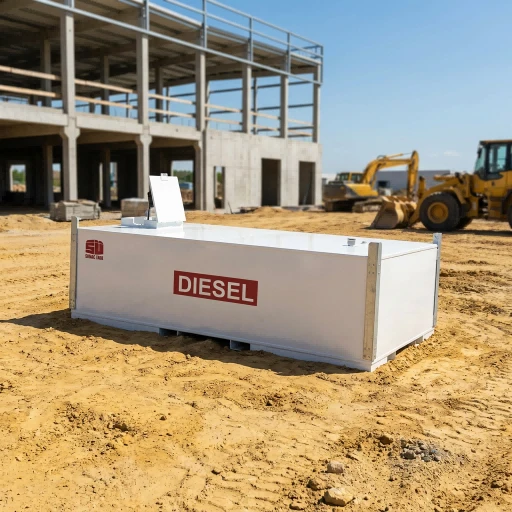
fuel storage tank diesel
The high-temperature resistance limit of a Steel Diesel Fuel Storage Tank is not a single fixed value, but depends on the tank material, design standards, and the physical properties of the internal stored medium. A comprehensive assessment of its temperature resistance mainly covers the following four core dimensions:
1. Limitations of Conventional Carbon Steel Material and Design Standards
For Steel Diesel Fuel Storage Tanks manufactured using conventional carbon steel, mainstream international and domestic design standards typically limit their maximum design temperature to around 90 degrees Celsius. This standard aims to ensure that the tank maintains sufficient structural strength under normal operating conditions. If the process requires storage at higher temperatures, special steel must be selected and additional design specifications for high-temperature storage tanks must be strictly followed.
2. Expansion of Special Steel and High-Temperature Operating Conditions
When facing extreme high-temperature conditions, the upper limit of the tank's temperature resistance can be significantly increased. If special low-alloy high-strength steel plates or stainless steel are used, combined with special heat treatment processes, the maximum design temperature of a Steel Diesel Fuel Storage Tank can be extended to 250 degrees Celsius or even higher. However, under such high-temperature conditions, the allowable stress of the steel must be recalculated to prevent material failure due to high-temperature creep.
3. Flash Point and Volatilization Safety Boundary of Diesel Medium
The assessment of temperature resistance must not be separated from the diesel medium stored inside. Diesel typically has a low flash point; when the temperature inside the tank is too high, a large amount of diesel will evaporate, forming a flammable and explosive mixture, leading to a sharp increase in tank pressure. Therefore, even if the steel itself can withstand higher temperatures, the actual operating temperature must be strictly controlled below the safe evaporation threshold of diesel to prevent serious fires or explosions.
4. Thermal Expansion Stress and Breather Valve Pressure Relief Protection
High-temperature environments have a significant impact on the thermal stress of Steel Diesel Fuel Storage Tanks. As the temperature rises, the liquid and gas inside the tank expand dramatically, requiring the tank to be equipped with a breather valve or safety relief device with sufficient discharge capacity. Simultaneously, the thermal expansion and contraction caused by high temperatures can easily generate fatigue stress at welds and pipe joints, requiring reasonable flexible design to absorb thermal deformation and prevent tank tearing.