


portable diesel fuel tank with pump
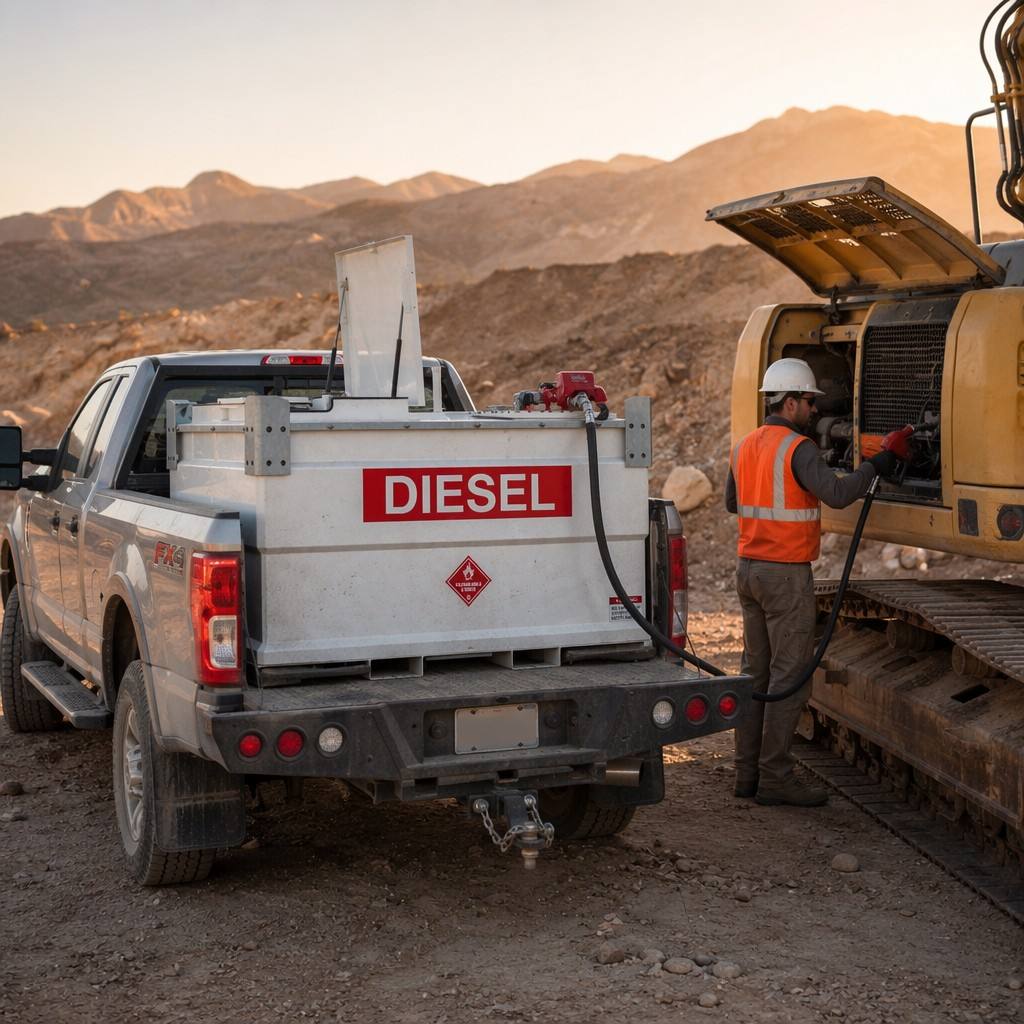
double wall fuel tank
To mitigate safety hazards associated with steel diesel fuel storage tanks, a systematic protection system is essential. This can be addressed through four core dimensions:
1. Compliant Site Selection and Safe Distance Control
The physical location of the storage tank is the first line of defense for safety. Strict adherence to relevant fire safety and environmental regulations is crucial to ensure sufficient safe distances between the steel diesel fuel storage tank and surrounding buildings, residential areas, and open flame work areas. Site selection must also consider terrain and wind direction to prevent the accumulation of volatile oil and gas in low-lying areas and ensure unobstructed access for fire trucks and emergency rescue.
2. Anti-static Grounding and Explosion-proof Electrical Configuration
Diesel fuel is highly susceptible to static electricity buildup during transportation and flow, posing a significant fire hazard. Therefore, the storage tank itself, pipelines, and loading arms must have a robust anti-static grounding system, with regular testing of grounding resistance. Furthermore, all electrical equipment within the tank area, including lighting, pumps, and instruments, must be explosion-proof products that meet national standards to eliminate electrical sparks at the source.
3. Double-walled Structure and Leakage Dam Design
To prevent environmental pollution or fire caused by accidental leaks, a double-walled Steel Diesel Fuel Storage Tank is strongly recommended. This design provides a secondary safety barrier in the event of an inner tank rupture. Simultaneously, a leak-proof dike or firewall meeting the required volume must be erected around the tank, along with a leak detection and alarm system to ensure rapid control and recovery in the event of an oil spill.
4. Fire Protection Linkage and Regular Accessory Calibration
Comprehensive fire protection facilities are crucial for emergency preparedness. The tank area should be equipped with sufficient fire sand, foam extinguishing systems, or fine water mist devices, and linked to the building's automatic fire alarm system. During routine management, critical accessories such as breather valves, flame arresters, level gauges, and safety valves must be regularly cleaned and calibrated to prevent tank overpressure or air intake due to accessory failure, ensuring the equipment is always in a controlled and safe state.