


fuel storage tank
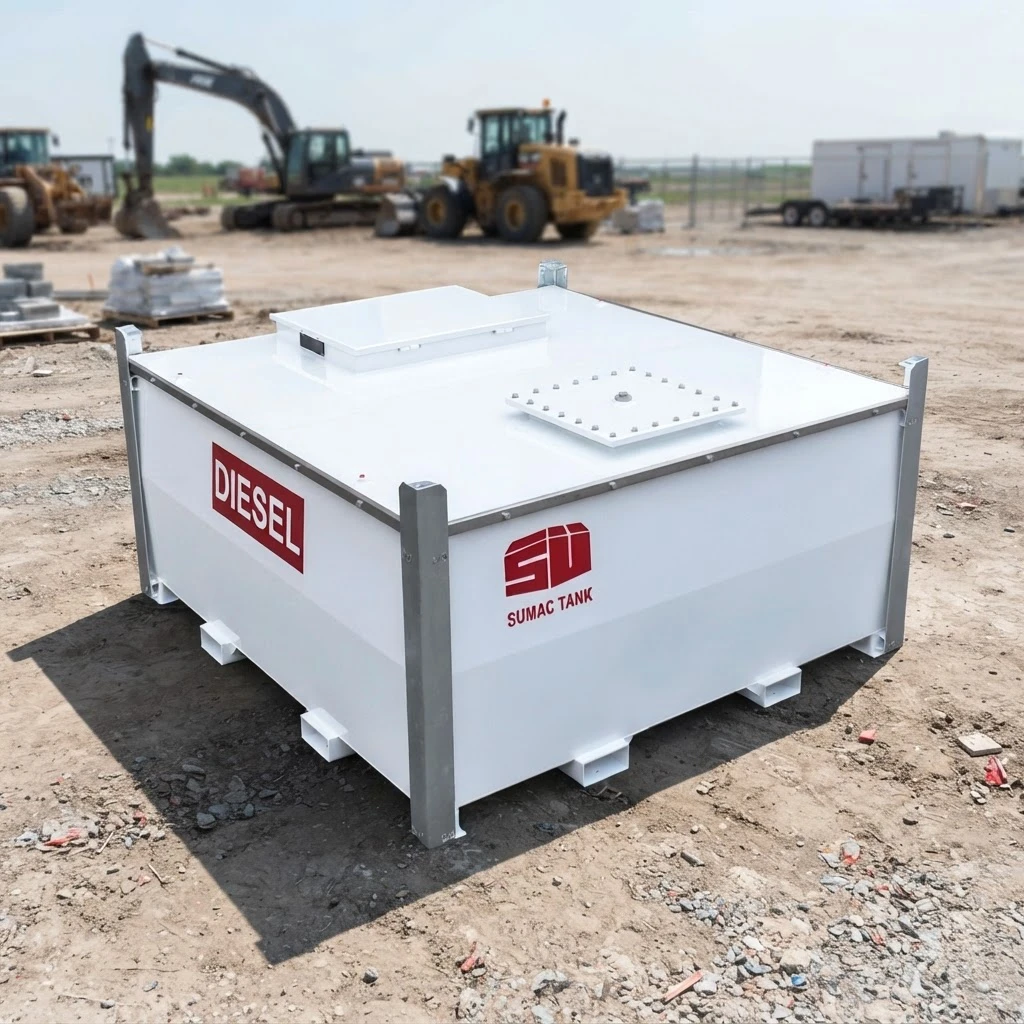
Fuel cube
1. Detection Principle and Physical Basis
Gasoline Stroage Tank wall thickness measurement is based on the propagation characteristics of ultrasound in metallic media. An ultrasonic probe emits high-frequency sound pulses towards the tank wall. The sound waves propagate within the material and generate reflected echoes when they encounter the interface between the inner and outer surfaces. By accurately measuring the round-trip time of the sound waves and combining this with the known sound velocity in steel, the wall thickness can be calculated. This method is non-destructive, highly accurate, and suitable for carbon steel tanks, especially showing good response capability to areas with uniform corrosion thinning.
2. Detection Technology and Implementation Method
Gasoline Stroage Tank wall thickness measurement primarily employs a digital ultrasonic thickness gauge, combined with a coupling agent to achieve effective sound wave transmission. During inspection, a grid needs to be drawn on the tank wall surface, focusing on covering easily corroded areas such as the gas-liquid interface, weld heat-affected zone, and bottom edge plate. For large storage tanks, an automated wall-climbing inspection robot can be used to achieve scaffold-free operation, improving efficiency and safety. Magnetic particle testing or penetrant testing can be used to supplement suspicious areas to detect surface cracks and stress corrosion defects.
3. Inspection Cycle and Frequency Requirements
The wall thickness inspection of Gasline Stroage Tanks should be included in the annual maintenance plan, with a comprehensive thickness measurement performed at least once a year. Inspection points should be numbered and documented, maintaining fixed locations for easy long-term trend comparison. If the tank operates in a highly corrosive environment or localized thinning has been detected, the cycle should be shortened to once every six months. International standards recommend that, based on corrosion rate assessment, the maximum inspection cycle should not exceed nine years to ensure continuous control of structural integrity.
4. Industry Standards and Data Management
The wall thickness inspection of Gasline Stroage Tanks must comply with SY/T 6620-2014 Inspection, Repair, Reconstruction and Renovation of Oil Tanks and GB/T 37327-2019 Technical Specification for Inspection of In-Service Vertical Cylindrical Welded Steel Storage Tanks. Inspection data must be compiled into a written report, including the location of the measurement point, the original thickness, the current thickness, the corrosion rate, and an estimated remaining service life. The corrosion rate is typically estimated conservatively at 0.1 mm/year, and the test results are used to develop maintenance strategies to ensure that the storage tank continues to operate within a safety margin.