


fuel storage tank diesel
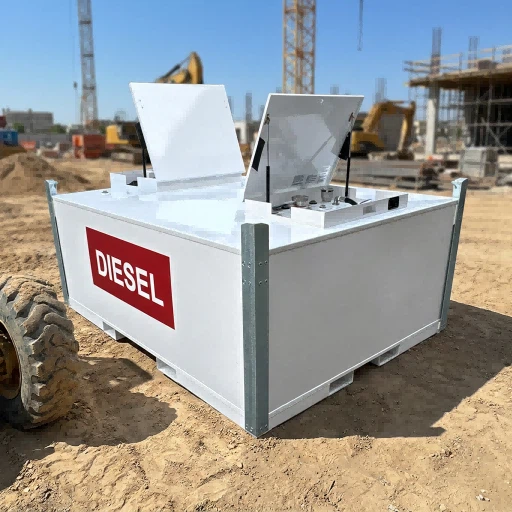
double wall fuel tank
1. Standardize Equipment Selection and Installation
Equipment selection must be tailored to the characteristics of the stored medium. Confirm the compatibility of the tank material with the medium, and verify that the tank design meets relevant safety standards, ensuring the secondary protection structure's volume is compliant. Installation must be carried out in a compliant location, strictly following the instruction manual. Control the sealing of pipe connections and the accuracy of valve installation. After completion, thoroughly test the level and pressure control systems to ensure all components are correctly connected.
2. Strengthen Standardized Operating Procedures
Develop comprehensive operating procedures, clearly defining operating steps and safety precautions. Operators must undergo professional training and pass an assessment before being allowed to work. During operation, closely monitor tank parameters such as level, temperature, and pressure. Strictly control the material loading and unloading flow rate to prevent static electricity generation. Unauthorized alterations to operating procedures are strictly prohibited. Check valve open/close status and pipe sealing before and after operation, and maintain accurate operating records for future reference.
3. Establish a Sound Daily Maintenance and Inspection Mechanism
Establish a routine inspection system. Daily check the tank's appearance for deformation and corrosion, and ensure safety accessories are intact. Regularly calibrate safety valves, level gauges, pressure gauges, and other components to ensure sensitivity and reliability. For metal tanks, ensure proper corrosion protection and promptly repair any damaged coatings. For plastic tanks, focus on checking their UV resistance and conduct periodic structural integrity tests to create a closed-loop system for hazard identification and mitigation.
4. Improve the Emergency Response System
Develop targeted emergency plans, clearly defining the procedures and responsibilities for handling leaks, fires, and other accidents. Equip the tank area with sufficient fire-fighting equipment, leak-sealing devices, and personal protective equipment, and conduct regular inspections to ensure their effectiveness and usability. Regularly organize emergency drills to improve the emergency response capabilities of operators, and summarize and optimize the plans after each drill. Set up clear warning signs in the tank area, demarcate safe zones, and strictly prohibit unauthorized personnel from entering.